

First Lane Marg, Kumaripati-5,
Lalitpur Metropolitan City, Nepal




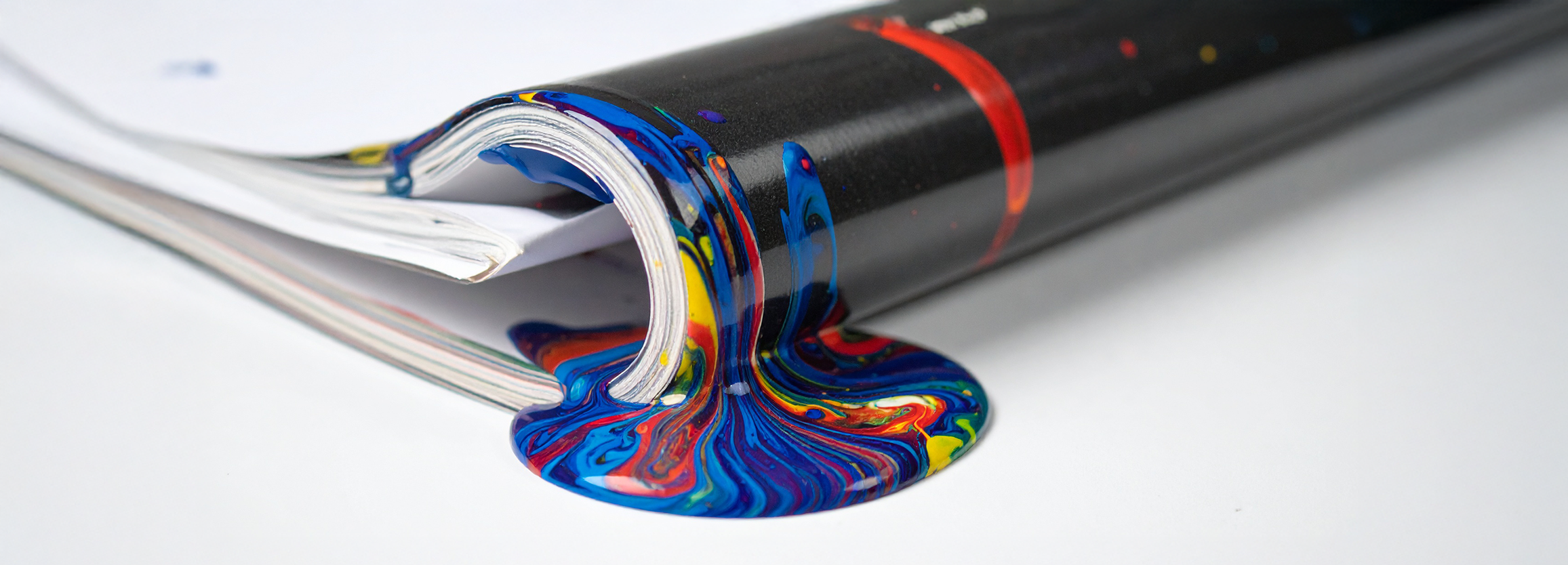
Print Design in 2025: In an age where screens dominate our daily lives, the shift back to print design might seem counterintuitive. But in 2025, designers are rediscovering the tactile, emotional, and strategic value of print. This article explores why print design is making a strong comeback and how designers are blending digital tools with traditional mediums to create more impactful, memorable brand experiences.
Print design isn’t just surviving—it’s thriving. What was once considered outdated is now seen as an intentional, premium choice. The return to print isn’t driven by nostalgia alone. It’s fueled by a need for physical connection in a hyper-digital world. Studies show that print materials are often better remembered and trusted than digital content, making them valuable in brand strategy.
Print’s physicality gives it a unique advantage: touch. Unlike digital interfaces, print engages more senses—texture, weight, temperature, even smell.
Designers are taking advantage of materials and finishes that create emotional resonance. Think textured paper, soft-touch coatings, embossing, debossing, and metallic foils. These elements don’t just look good—they feel good, which makes the experience of interacting with a printed piece memorable and distinctive.
Neuroscience research backs this up: physical media activates more emotional processing centers in the brain than digital alternatives.
One of the biggest misconceptions in modern marketing is that print and digital compete. In reality, the most effective campaigns in 2025 integrate both.
Designers are using QR codes, NFC chips, and augmented reality (AR) to bridge the gap between static print and interactive experiences. A direct mail postcard might lead to a personalized video. A product package could launch an AR animation. This hybrid approach creates a richer brand narrative and offers more data insights for marketers.
Check out how IKEA uses AR in print catalogs to enhance customer experience.
As consumers demand more environmentally responsible products, designers are making sustainability a core part of their print strategies. In 2025, sustainable print is no longer a niche—it’s expected.
Designers are choosing recycled papers, vegetable-based inks, and waterless printing methods. Minimalist packaging designs that reduce waste are gaining popularity. According to Two Sides, sustainable print helps combat greenwashing and provides transparent environmental communication.
High-quality print materials immediately elevate brand perception. From heavyweight business cards to meticulously crafted brochures, the tactile nature of print makes it harder to ignore and easier to trust. Consumers often associate physical materials with established, reliable businesses.
Emails are deleted. Ads are scrolled past. But a beautiful print piece can sit on a desk, be pinned to a wall, or handed off to someone else. The longevity of print contributes to repeated exposure—one of the key drivers of trust in marketing.
The digital space is crowded, and attention spans are shrinking. Print arrives in a relatively uncluttered channel. A thoughtfully designed magazine ad or direct mail piece often gets more focused attention than the most optimized Instagram ad.
Startups and small businesses often use print to establish credibility fast. Professionally printed packaging, lookbooks, or flyers can legitimize a new brand in the eyes of customers and investors alike.
Luxury brands rely on sensory experiences, and print is perfect for that. Foil stamping, thick cotton stocks, letterpress textures—these design choices communicate exclusivity and sophistication that’s difficult to match online.
In 2025, the process of designing for print has evolved. Digital tools like Adobe InDesign, Canva Pro, and AI-driven layout assistants make it faster and easier to experiment with format, typography, and print-safe color palettes. Meanwhile, cloud print platforms allow remote proofing, direct-to-printer delivery, and real-time cost estimates.
Adobe’s AI tools are especially helpful for layout suggestions and image enhancement.
The beauty brand brought back its zine format in 2025, filled with customer stories and product photography. It doubled as a keepsake and a product catalog—bridging storytelling and selling.
Printed on 100% recycled paper using soy ink, Patagonia’s catalog emphasized its environmental commitments while showcasing products. The catalog also featured scannable links to videos and repair guides, integrating print and digital experiences seamlessly.
Many indie coffee shops revived the classic punch card in creative print formats—foil-stamped, die-cut, or custom illustrated. It not only drives repeat visits but creates a brand moment worth sharing.
Designers aren’t returning to print out of nostalgia. They’re embracing it as a powerful, sensory-rich medium that builds trust, breaks through digital noise, and offers real-world impact. In 2025, the smartest brands and designers aren’t choosing between print and digital—they’re mastering both.
If you’re a designer, it’s time to sharpen your print skills again. If you’re a brand, consider what message your next printed piece could send—not just in words or visuals, but in weight, texture, and presence.