

First Lane Marg, Kumaripati-5,
Lalitpur Metropolitan City, Nepal




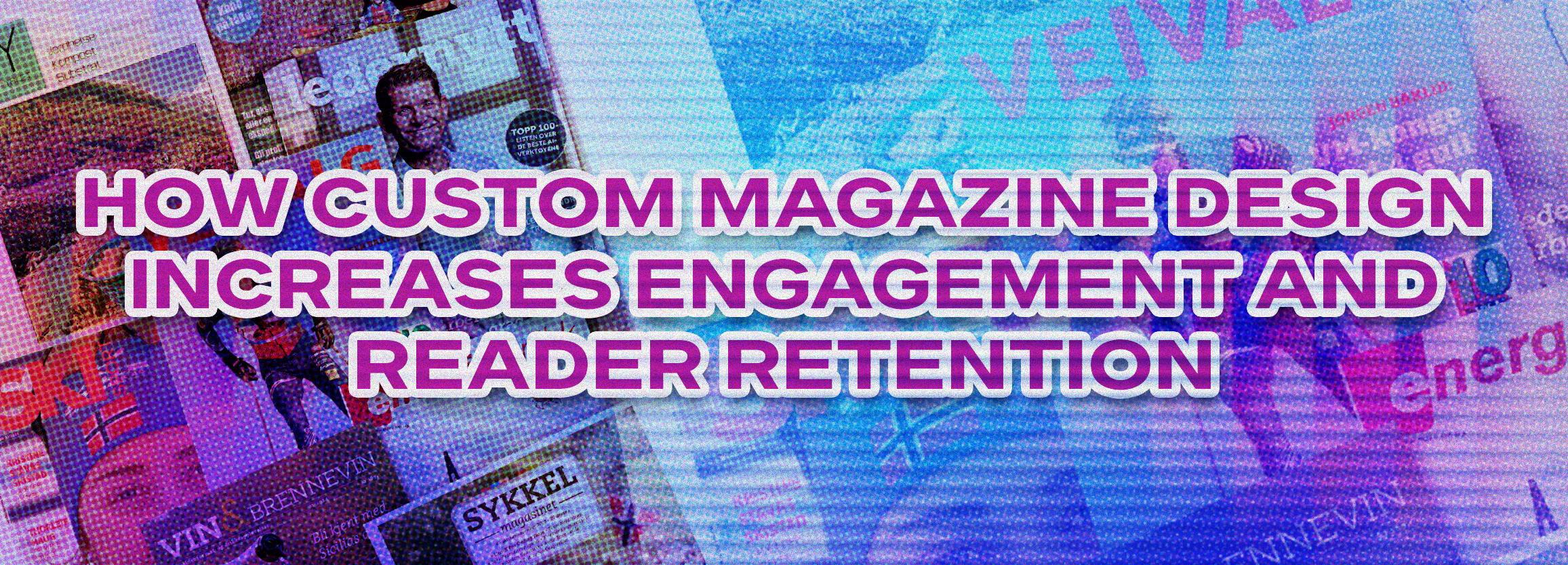
Magazine publishing has evolved dramatically in recent years. Today, readers expect visually compelling, easy-to-navigate, and interactive experiences. Because of this shift, businesses that invest in custom magazine design engagement consistently outperform competitors by capturing attention, building trust, and encouraging long-term readership.
For small businesses, startups, SaaS companies, and local brands, magazines remain powerful marketing tools. Whether brands distribute publications in print or digital formats, professionally designed magazines strengthen authority and improve audience relationships. However, generic templates rarely produce strong engagement results. Instead, custom design strategies create memorable experiences that motivate readers to return.
Modern readers consume large amounts of content daily. Therefore, publications must deliver visually compelling and strategically structured layouts to remain competitive. In addition, high-quality magazine design helps brands differentiate themselves while strengthening audience loyalty.
Moreover, businesses that invest in professional publication design services create magazines that not only educate readers but also persuade and convert audiences into customers.
Learn more about our professional design solutions here:
https://globdig.com/service/
A well-planned editorial layout design helps readers navigate content easily. Therefore as a result, structured layouts guide audiences through articles without overwhelming them. Furthermore, effective visual hierarchy allows readers to locate key information quickly while maintaining strong visual appeal.
According to research from the Nielsen Norman Group, readers scan pages before committing to full reading. Therefore, strategic editorial layouts help audiences quickly identify valuable content and remain engaged longer.
Reference: https://www.nngroup.com/articles/how-users-read-on-the-web/
Typography plays a critical role in reader comfort and comprehension. Poor font selection frequently reduces readability and causes audiences to abandon publications quickly, where in contrast, well-structured typography improves clarity and encourages longer reading sessions. Additionally, consistent typography strengthens brand recognition across multiple magazine editions.
Consequently, professional typography enhances user experience while supporting effective reader retention strategies.
Innovative layouts naturally increase reader curiosity and encourage audiences to explore additional pages. Beyond improving aesthetics, custom layouts create storytelling opportunities that generic templates cannot achieve. As a result, these creative approaches strengthen magazine content presentation and improve memorability.
Print magazines provide tactile brand experiences that digital platforms cannot replicate. Additionally, physical publications often build credibility and perceived value among readers.
Digital magazines provide flexibility, interactive storytelling, and detailed performance tracking. Furthermore, online publications allow brands to reach broader audiences quickly.
Additionally, interactive magazines may include embedded videos, clickable links, and animated visuals. Therefore, these elements significantly improve interactive magazine design and increase audience engagement.
A SaaS company launched a digital magazine to educate users about industry trends. Initially, the team relied on a basic template design, which resulted in low reading time and minimal interaction. After investing in custom editorial layout design and interactive features, the company experienced measurable performance improvements.
Explore high-performing design examples here:
https://globdig.com/portfolio/
Before launching any magazine design project, businesses must research their readers carefully. For instance, understanding demographics, reading preferences, and device usage enables designers to create targeted experiences.
Once audience insights become clear, companies should establish consistent branding. In addition, strong visual identity improves recognition and builds long-term trust.
After defining branding elements, businesses must structure content logically. Meanwhile, effective magazine content presentation ensures readers can easily navigate information and maintain engagement.
To maintain audience interest, publications should integrate retention-focused elements. For example, serialized storytelling and exclusive subscriber content encourage repeat readership and long-term loyalty.
Finally, businesses should monitor performance metrics regularly. As a result, data insights reveal reader behavior patterns and highlight improvement opportunities. Therefore, companies can refine design strategies and enhance future magazine editions.
Interactive design transforms passive reading into immersive experiences. As technology continues evolving, interactive storytelling becomes increasingly important. Furthermore, these enhancements allow brands to create deeper audience connections while improving measurable engagement metrics.
According to Statista, interactive digital content can increase engagement rates by up to 52%.
Reference: https://www.statista.com/
Although magazine publishing offers strong marketing opportunities, many businesses overlook essential design principles. Consequently, these mistakes often reduce reader engagement and brand credibility.
Professional design agencies provide strategic expertise that improves both aesthetics and performance. Additionally, experienced designers combine storytelling, branding, and conversion strategies to produce high-performing publications.
Learn how we can help your business improve engagement through expert magazine design solutions:
https://globdig.com/service/
Custom magazines not only educate audiences but also support marketing conversions. When publications include strategic CTAs and targeted content, they naturally guide readers toward business inquiries.
Custom magazine design engagement refers to tailored layouts and visuals that capture reader attention, improve readability, and encourage long-term audience interaction.
Magazine design improves readability, emotional connection, and storytelling flow. Therefore, readers spend more time engaging with content and return for future editions.
Both formats serve different purposes. Print builds credibility, whereas digital enables interactive storytelling and performance tracking.
Most businesses should refresh their magazine design every 12–24 months. Regular updates help maintain modern visual appeal and audience relevance.
Yes. Custom magazine design strategically integrates CTAs, product highlights, and interactive elements that guide readers toward conversions.
Custom magazines serve as powerful brand storytelling platforms that build trust and loyalty. More importantly, investing in custom magazine design engagement helps businesses capture attention, improve reader retention, and generate leads.
When companies combine professional editorial layouts with interactive features and consistent branding, they create magazines that audiences genuinely enjoy. Ultimately, strategic publication design transforms marketing materials into long-term engagement tools.
Book a free consultation today:
https://globdig.com/book-a-meeting/