

First Lane Marg, Kumaripati-5,
Lalitpur Metropolitan City, Nepal




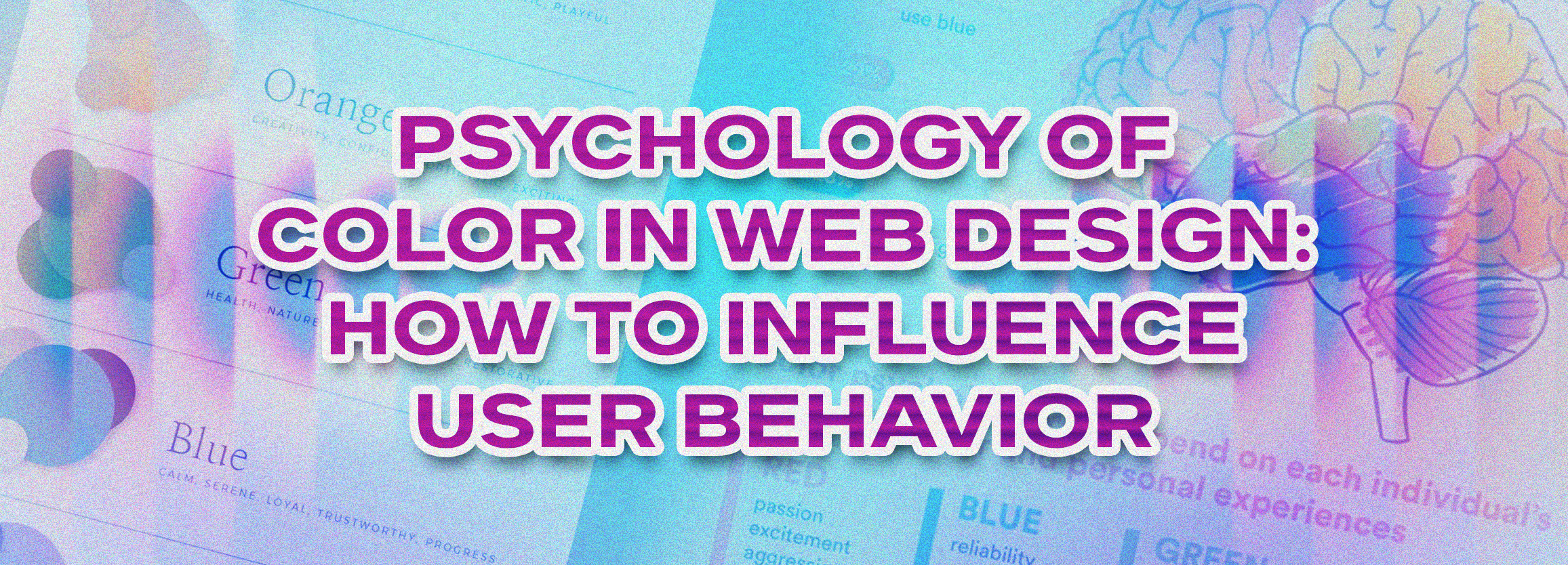
Psychology of color in web design plays a critical role in how users perceive, interact with, and trust a website. From the moment a visitor lands on your page, colors silently guide emotions, decisions, and actions. For businesses aiming to grow online, understanding this visual psychology is no longer optional.
At Global Digital Nepal, we use color psychology strategically to help brands influence user behavior, improve conversions, and strengthen digital identities. Whether you are a small business owner, marketer, student, or web designer, mastering color psychology gives you a competitive advantage.
Colors trigger emotional responses faster than words. Studies show that users form opinions about a website within seconds, and color heavily influences that judgment. This makes web design color psychology one of the most powerful conversion tools.
When applied correctly, the psychology of color in web design builds trust, improves usability, and increases engagement. When ignored, it creates confusion and pushes users away.
Color affects perception, mood, and decision-making. For example, blue creates a sense of trust, while red triggers urgency. These emotional cues guide users toward actions such as clicking buttons, filling forms, or making purchases.
According to research shared by Interaction Design Foundation, visual cues like color significantly impact usability and cognitive processing in digital interfaces.
Each color communicates a message. Web designers must understand these associations before creating a website color strategy.
The emotional impact of colors in websites directly affects bounce rates and time on page.
UX color psychology focuses on how users feel while navigating a site. UI color psychology, on the other hand, focuses on how visual elements guide actions.
At Global Digital, our designers align UX color psychology with UI patterns to ensure clarity, accessibility, and intuitive flow.
Color psychology for conversions is one of the most effective ways to increase revenue without increasing traffic. Strategic color use helps guide attention to CTAs and key content.
CTA buttons benefit greatly from contrast and emotional triggers. Red, orange, and green often outperform neutral colors when used correctly.
However, context matters. A website color strategy must align with brand identity and audience expectations.
Conversion optimization studies published by CXL Institute highlight how color contrast improves click-through rates.
Branding and color psychology work together to shape how a business is remembered. Consistent color usage increases brand recognition by up to 80%.
Global Digital Nepal helps brands define a color system that supports long-term growth and visual consistency.
For digital agencies, color psychology is both a design and strategic tool. It allows agencies to communicate value, authority, and creativity instantly.
Clients benefit from stronger emotional connections and improved brand trust.
Color theory for web designers goes beyond choosing attractive shades. It includes contrast ratios, accessibility standards, and cultural interpretations.
Accessible color combinations improve usability for all users, including those with visual impairments. This enhances SEO performance and user satisfaction.
Google emphasizes accessibility as part of user experience, as explained in Google Page Experience guidelines.
One of Global Digital Nepal’s clients experienced a 32% increase in conversions after implementing a refined website color strategy. The redesign focused on emotional alignment and CTA contrast.
This proves that the psychology of color in web design directly influences business outcomes.
Avoiding these mistakes ensures long-term success.
The psychology of color in web design is not about trends. It is about understanding human behavior and designing experiences that convert. When applied strategically, color becomes a silent salesperson.
At Global Digital Nepal, we combine visual psychology in web design with data-driven strategies to help brands grow online.
Ready to influence user behavior and boost conversions?
Contact https://globdig.com/book-a-meeting/ to grow your business online.