

First Lane Marg, Kumaripati-5,
Lalitpur Metropolitan City, Nepal



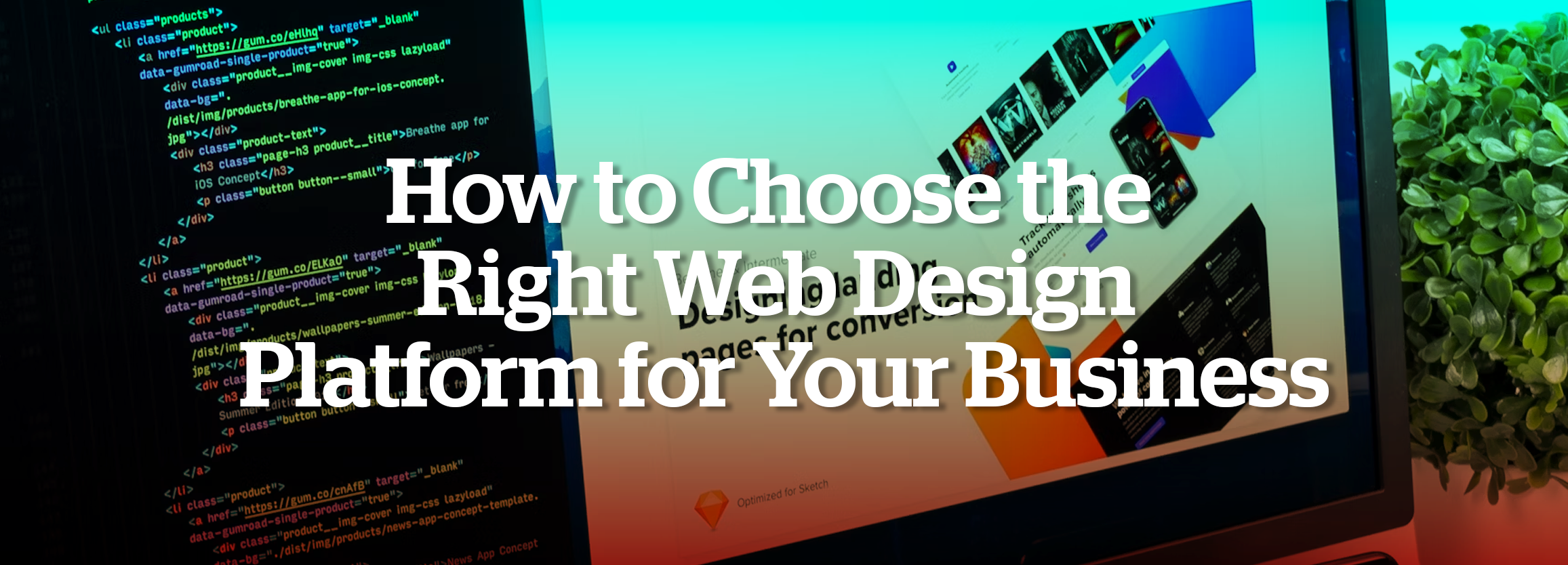
In today’s fast-paced digital world, your website acts as the face of your business. Whether you’re a small business owner, marketer, or entrepreneur, choosing the right web design platform for your business can make or break your online success. With dozens of platforms available—each with its own features, benefits, and limitations—the decision isn’t always easy. But making the right choice can lead to better web page optimization, improved user experience (UX), and higher conversions.
Before diving into the specifics, let’s understand why selecting the right web design platform for your business is crucial. Your web platform influences how your website looks, functions, and performs in search engines. It determines how easily you can manage content, scale your business, and optimize for conversions. More importantly, it defines how customers experience your brand online.
In a digital landscape where competition is fierce, your website must do more than look good—it must perform well. That’s why small businesses across Nepal and beyond are partnering with professional web development agencies like Global Digital Nepal to build websites that convert visitors into loyal customers.
Before you start comparing platforms like WordPress, Shopify, Wix, or Webflow, you must first identify your business goals. What do you want your website to achieve? Do you need an online store, a lead-generation platform, or a content hub? Each business type has unique requirements that determine the best design and functionality.
Having clear answers to these questions helps you narrow down your options and choose the right web design platform for your business that aligns with your goals.
WordPress powers more than 40% of websites worldwide, making it a top choice for small businesses and publishers alike. It offers unmatched flexibility, thousands of themes, and countless plugins for SEO and conversion optimization. Whether you’re building a blog, portfolio, or e-commerce store, WordPress can handle it all.
Pros: Highly customizable, SEO-friendly, large community support.
Cons: Can be complex for beginners without technical knowledge.
If selling online is your primary goal, Shopify is one of the best options available. It’s built specifically for e-commerce, offering intuitive design tools, payment gateways, and inventory management systems. Shopify also integrates with marketing and analytics platforms, making it easy to track performance.
Pros: User-friendly, secure, mobile-optimized.
Cons: Limited customization without paid apps or developer help.
Wix is a drag-and-drop platform perfect for startups and small businesses that need a quick online presence. It’s simple to use, visually appealing, and offers built-in SEO tools for basic web page optimization. However, it might not scale well for large or complex sites.
Pros: Easy setup, affordable, no coding required.
Cons: Limited control and flexibility for advanced users.
Webflow is ideal for businesses that prioritize modern aesthetics and UX design. It provides advanced design control without heavy coding, allowing designers to create high-performing, visually appealing sites. If you’re working with a web development agency like Global Digital Nepal, Webflow can deliver exceptional design quality with clean code and superior performance.
Pros: Visually powerful, SEO-ready, responsive design.
Cons: Steeper learning curve and higher cost.
Squarespace combines design and simplicity. It’s particularly suited for creative professionals—photographers, artists, and content creators—who value aesthetics and storytelling. It includes built-in tools for SEO, analytics, and social integration.
Pros: Elegant templates, all-in-one platform.
Cons: Limited third-party integrations and customization.
If you or your team aren’t tech-savvy, opt for platforms like Wix or Squarespace. However, if you want flexibility and control, WordPress or Webflow will serve you better. A professional web development agency can also handle the technical side while you focus on content and growth.
A website’s visibility on search engines depends heavily on SEO features. Ensure your chosen platform supports metadata editing, responsive design, and integration with tools like Google Analytics. WordPress excels here, especially with plugins like Rank Math and Yoast SEO that make web page optimization effortless.
Visitors form an impression of your website in just 0.05 seconds. That’s why UX design and aesthetics are vital. Choose a platform that allows for responsive, mobile-friendly designs. Clean navigation, fast load times, and readable content all contribute to better user experience and higher conversion optimization.
As your business grows, your website should grow too. Consider whether your platform can handle increased traffic, additional content, or new functionalities. WordPress and Webflow are scalable solutions that evolve with your needs.
Security breaches can harm your reputation and lead to data loss. Always choose a platform that offers SSL certificates, regular updates, and strong technical support. Shopify, for example, manages security for you, while WordPress requires manual maintenance or professional help from a web development agency.
While free or low-cost platforms seem tempting, they often come with hidden limitations—restricted features, slower load times, or poor SEO performance. Investing in a professional platform ensures long-term benefits like brand credibility, better UX, and consistent performance.
At Global Digital Nepal, we guide small businesses to select and build on platforms that not only fit their budget but also deliver measurable growth. Whether it’s a full webpage redesign or starting from scratch, our expert team ensures your site is optimized for visibility and conversions.
Choosing the right web design platform for your business is just the first step. The real success lies in how you optimize it. Platforms like WordPress and Webflow let you implement advanced conversion optimization strategies such as:
Remember, your platform should make it easy to test, analyze, and improve. If not, you might be limiting your growth potential.
Even the best platform can’t deliver results without the right expertise. Partnering with a professional web development agency ensures your site is designed strategically—with a focus on performance, UX, and business goals.
At Global Digital Nepal, we specialize in helping small businesses and entrepreneurs create high-performing websites using the most suitable platforms. From webpage redesign to SEO and conversion optimization, our team delivers end-to-end solutions that drive measurable results.
Choosing the right web design platform for your business isn’t just a technical decision—it’s a strategic one. The right platform can transform how your brand is perceived, how customers interact with your content, and how effectively you convert visitors into leads.
At Global Digital Nepal, we help businesses create websites that don’t just look beautiful but perform powerfully. From platform selection to UX design and optimization, our goal is to build digital experiences that drive growth.
Contact Global Digital Nepal today to discover how we can help you choose and build the perfect website for your business.